

Fabricx Blog

How to Choose the Perfect Fabric for Fashion Project
When starting a fashion project, one of the most important decisions is choosing the right fabric. With so many different types of fabrics available, it can be overwhelming to decide which one is best for your project. However, by considering a few key factors, you can select the perfect fabric for your fashion project. Here are some tips for choosing the perfect fabric for your fashion project: Consider the Purpose: Think about what the garment or accessory will be used for. Will it be a formal or casual piece? Will it be worn in hot or cold weather? This will help you determine the type of fabric that is best suited for your project. Determine the Drape: The drape of a fabric refers to how it falls and moves. Consider the silhouette you want to achieve and choose a fabric with the appropriate drape. For example, a flowy fabric like chiffon or silk would be best for a loose and flowy dress, while a stiffer fabric like cotton or denim would be better for a structured garment. Look at the Weight: The weight of a fabric refers to how heavy or light it is. This is important to consider as it can affect the comfort and functionality of the garment. For example, a heavy wool fabric would be too warm for a summer dress, while a lightweight cotton fabric would be too flimsy for a winter coat. Check the Fiber Content: The fiber content of a fabric can affect its durability, care instructions, and how it drapes. Natural fibers like cotton, silk, and wool are breathable and comfortable, while synthetic fibers like polyester and nylon are more durable and easier to care for. Consider the Color and Pattern: The color and pattern of a fabric are also important factors to consider. Think about the color palette of your project and choose a fabric that complements it. Also, consider the scale of the pattern and how it will look when cut and sewn into the garment. By considering these factors, you can choose the perfect fabric for your fashion project. Don't be afraid to experiment with different fabrics and textures to create a unique and beautiful piece. Remember, the right fabric can make all the difference in the look and feel of your garment.
Learn more
The Art of Mixing and Matching Fabrics for a Cohesive Design
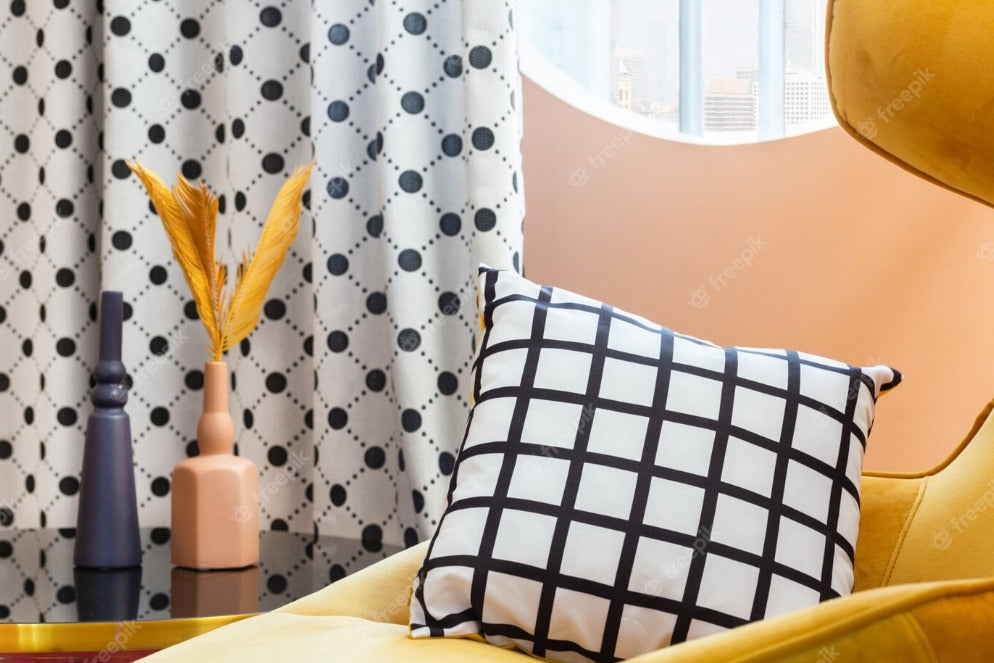
When it comes to interior design or fashion, mixing and matching fabrics can add depth and visual interest to a project. However, it can also be a daunting task to coordinate different colors, textures, and patterns to create a cohesive look. With some guidance and a bit of creativity, the art of mixing and matching fabrics can be mastered to achieve stunning results. Here are some tips for mixing and matching fabrics for a cohesive design: Start with a Neutral Base: Begin with a neutral base fabric, such as a solid white or cream, and build from there. This will provide a clean canvas to introduce other colors and patterns without overwhelming the space. Choose a Dominant Fabric: Select a dominant fabric with a large pattern or bold color that will set the tone for the space or outfit. This fabric will serve as a focal point and anchor for the design. Vary the Scale: To prevent the design from looking too busy, vary the scale of the patterns. Use larger patterns for larger surfaces, such as upholstery or drapery, and smaller patterns for accent pieces, like throw pillows or table runners. Consider Color: Look for fabrics that share a common color or hue. This will tie the different patterns and textures together and create a harmonious look. For example, pairing a floral print with a striped fabric in the same color family can be visually stunning. Play with Texture: Incorporating fabrics with different textures, such as velvet, linen, or leather, can add depth and interest to a design. Mixing textures can also make the space or outfit feel more inviting and cozy. Don't Forget the Solids: Solid fabrics can serve as a balance to busier patterns and add structure to a design. Use solids in complementary colors to tie the different fabrics together. Experiment with Proportions: Have fun with proportions and experiment with different fabric combinations. Don't be afraid to mix different styles and eras, as long as they share a common theme or color. By following these tips, you can master the art of mixing and matching fabrics for a cohesive design that is both stylish and visually appealing. Remember, the key is to have fun and experiment with different combinations until you find the perfect balance.
Learn more